

Six months ago, I declared that the rise of robotaxis would not mean the end of car ownership. But in the half year since, the road ahead has only gotten rougher for automakers — EV subsidies expired, gas prices spiked, tariffs wobbled, consumer spending softened — making questions about the future of mobility feel less like an intellectual exercise and more like an existential crisis for OEMs.
U.S. auto sales have been more or less flat for decades, as cars last longer, while Detroit’s profitability has been buoyed by Americans’ appetite for big, tricked-out trucks. Domestic auto production, meanwhile, has fared far worse, falling continuously since the 1990s. This inflection isn’t limited to just America, automakers as varied as Nissan and Volvo are seeing sales drop, while auto production share everywhere outside of China has fallen in the past few years.

So, what does it mean once you throw the rapid rise of robotaxis into this quick burning tire fire? The past 15 years have seen a tremendous explosion in new mobility options — ridehailing, carsharing, micromobility, you name it — but not only has VMT continued to creep up in America, so too has the number of cars per household… what’s different now?
A few new variables have changed the equation. Gas prices have jumped 50%, making commuting untenable for many drivers, while those who can afford a new car have far fewer economical EV options than they did a year ago. Combine that with recent Morgan Stanley research that suggests the cost per mile to operate an autonomous taxi may soon fall below that of car ownership, and it’s quite possible that consumers will soon find AVs are the most affordable way to get to their destinations.

This of course could be catastrophic for legacy OEMs, as well as the cities that still rely on auto manufacturing as the backbone of their economies. With so much at stake, we’re convening our next Urban Autonomy Summit in Detroit, on June 9th. Join us for an afternoon of pivotal discussions as we convene AV players, automakers and regulators alike, to figure out whether the future of autonomy is owned or on-demand.

CURBIVORE CONFERENCE COVERAGE
A not so autonomous Olympics? Analysis and coverage from last month’s Curbivore continues to hit the wire, with Forbes’ Brad Templeton drilling down on our “Resilient Streets, Cities & Mega Events – The Road from Today Until 2028” panel (full recording here.) While he’s impressed with the kit-of-parts approach that blends together public transit, ridehailing, micromobility and repurposed parking lots, he’s disappointed that LA28 might not be a launchpad for autonomous mobility or broader congestion priced cordons.
But there is a robotic future for deliveries… Maybe it’s a case of AV give and take, as IGD Director of Retail Futures Stewart Samuel’s takeaway from Curbivore is that if the economics of grocery and restaurant delivery are ever going to make sense at scale, it’s going to require the mass adoption of autonomous systems.
And what of our cities: Does it even matter if vehicles are autonomous or human driven, if our roads aren’t repaved, our streetlights don’t work and local services languish? In the latest episode of Zag Talk, we hear from Nithya Raman, an urban planner turned councilmember who’s now running for mayor; she shared her vision for a city that works at Curbivore 2026. Listen in.
HOT INDUSTRY NEWS & GOSSIP
Uber growth: Uber released its Q1 2026 results, showing that the mobility and delivery economy is still hot. Trips were up 20% YoY, gross bookings climbed 25% and revenue jumped 14%, with the delivery business outpacing mobility across every metric. The company’s AV diversification play seems to be working, with autonomous trips up 10X YoY, while delivery expansions across Europe and APAC appear to be paying off. Meanwhile, Lyft’s gross bookings and revenue climbed 19% and 14%, respectively

Still dashing: DoorDash’s results were strong too, with total orders up 27% YoY, gross order value rising 37% and revenue jumping 33%. The company also just published its 2025 U.S. Economic Impact Report, showing how important the marketplace has become to over 600,000 merchants and 8M+ couriers.

Ride the D! Los Angeles’ eagerly anticipated D Line opens three new stations tomorrow (May 8), inaugurating 3.9 miles of additional subway service, with another 5.2 miles set to open next year. There’ll be civic celebrations at each station, and I hope to see my fellow mobility heads there in the late afternoon.
Lucid dreaming: Back to cars for a moment, as upstart automaker Lucid Motors is having a rocky go of things. The company just retracted its earlier guidance and now has no clue how many cars it’ll build this year, amid a Q1 that saw revenue rise but losses growing even faster. At least its AV plans are still on track, with its tech partner Nuro receiving CA DMV permits to begin testing.
Cam wars: Both Lyft and Uber are making a push into vision data, looking to equip their drivers with cameras that’ll better map streets and highways for AV partner vehicles. Lyft is calling their solution FleetView, while Uber’s is an initiative of their new AV Labs project; both concepts seem to be sniffing at market leader Nexar. When asked for comment, CEO Zach Greenberger responded, “Both announcements point at the same conclusion: real-world data and real-world operations are now table stakes for autonomous deployment. That’s the thesis Nexar has been operating on since 2015. We’re at 350,000 connected cameras, more than 100 million miles a month, and 94% U.S. road coverage today. The AV programs training on real-world data right now, including NVIDIA and Waymo, aren’t waiting for that capability to come online elsewhere.”
Bound for a rebound: The FTA has released Q1 data of its own, tracking how America’s largest transit operators are continuing to recover from the pandemic. NYC, DC, LA and Seattle are doing well, while regions like SF and Atlanta continue to struggle.

Slow train: New research shows that even in some cities most mentally associated with transit — think Berlin or NYC — residents have quicker access to more destinations by car, especially out in the ‘burbs. Shout out to Paris and Zurich for holding it down for subway riders.

Around and around: European p2p carsharing players Getaround and GoMore have merged, with the combined entity offering service to five million users in 11 countries. Its fleet of 70,000 shared vehicles is about 15-20% the size of market leader Turo. Stifel served as the exclusive financial advisor for the transaction.
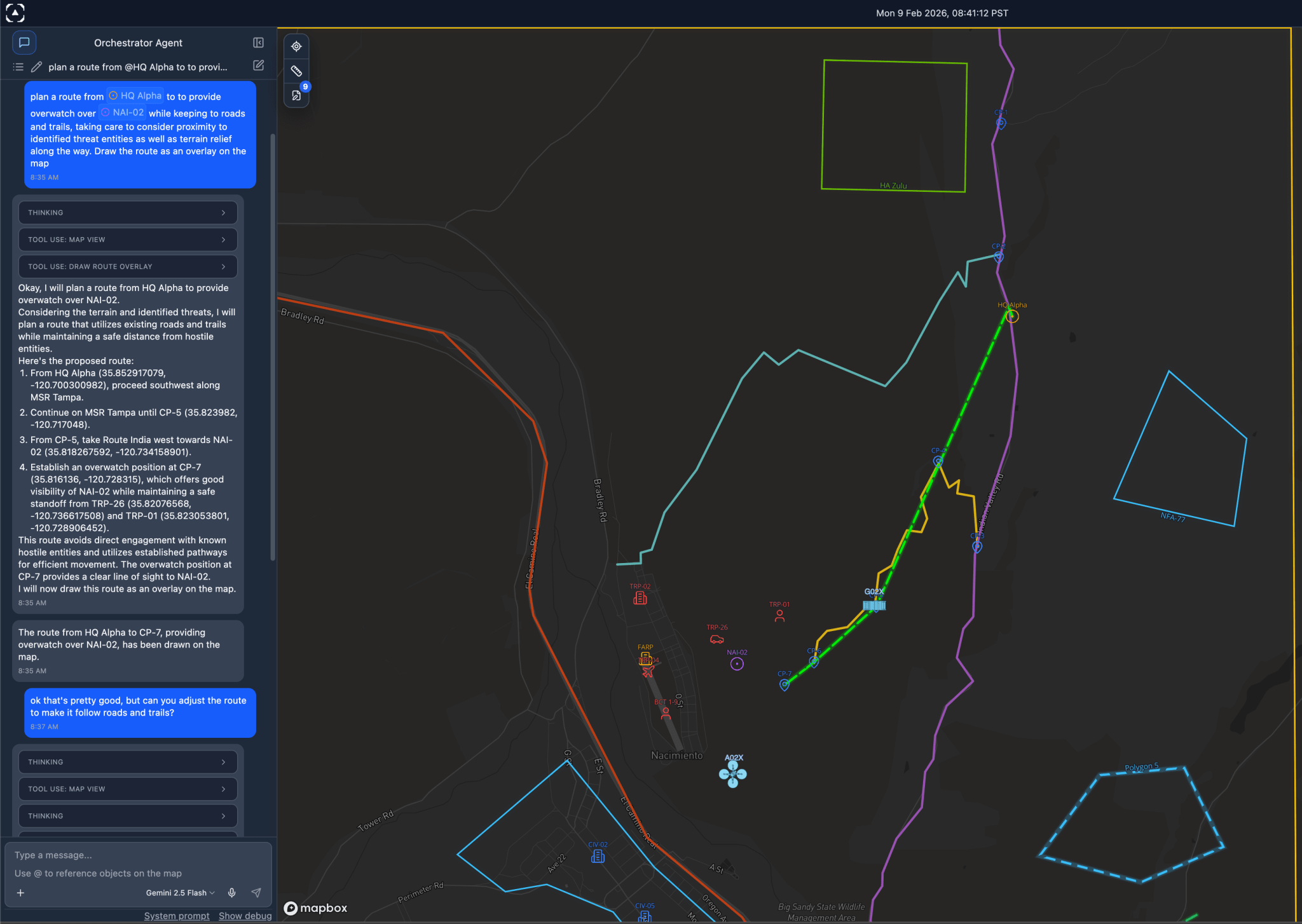
So much for opsec… Autonomous military ATV startup Scout AI took TechCrunch reporters to see its new hardware in action. Despite asking folks “not to name” the Central California military base, the company released accompanying media assets that clearly show it operating near Camp Roberts, by Nacimiento, CA. Durr!
Ever the optimist! AV enthusiast Grayson Brulte and Bot Auto’s Robert Brown test rode Tesla’s unsupervised Robotaxi network near Houston. Despite the route linking two Tesla service centers, the car still had a number of alarming issues: it repeatedly missed the same turn, it made an illegal U-turn and its attempts to connect to a tele-ops assistant seemed unsuccessful.
A few good links: Joby Q1 rev hits $24.3M. Jeff Bezos’ rep steps down from Slate Auto board. Marc Lore doubles down on AI-designed restaurants pitch. VA tightens ridehailing safety requirements. Would crowd-funding the purchase of a bankrupt airline even work if you got all the money you needed? Permitted backyard dining transforms LA’s vaunted food scene. Despite growing capacity, America’s electrical grid is still falling short. Toyota to build hydrogen truck fueling center in SoCal. NYCDOT seeks secure bike parking location suggestions (looks like no love for Staten Island). Uber Eats adds Ulta Beauty. Biking across Cape Town reveals apartheid’s infrastructural legacy. D.C. mulls local AV legislation. Has citizen enforcement of illegally idling vehicles in NYC gone too far? Vancouver, BC permits Serve’s delivery bots. Cities need to properly price their curbs before AVs gobble up all the “free” space. After fourteen months in power, the Trump admin has yet to release funding for a single new public transit project. India mints first aerospace unicorn. It’s Electric expands curbside charging to Philadelphia. (Great marketing pics!) Aspen, CO releases Smart Zone pilot data. Texas transit two-step: TEXRail breaking ground on Medical District expansion, while Highland Park votes to leave DART. Rising gas prices impacting delivery workers more than ridehail drivers.
See you next week!
- Jonah Bliss & The Curbivore Crew