

Thank you to everyone that joined us in NYC for our Mobility & Delivery Tech Happy Hour. Now on to your usual industry news digest…
Oil prices just hit a four year high: $126 per barrel, which works out to about $4.30 per gallon across the U.S, $6+ in California, even more in Europe and Asia. As we’ve previously explored, this is rewiring commutes the world over.
Stateside, the pain isn’t being shared evenly. While low income commuters are taking the biggest hit in every city, the real whack to your wallet comes down to how far you have to drive. Regions like NYC, SF, Los Angeles and Chicago only see weekly VMT per capita of 175 miles or fewer; while those stuck in places like Dallas, Austin, Atlanta, Nashville, Raleigh and Detroit might be driving 250+ miles per week.

In many metro areas, a lack of viable public transit alternatives means drivers can’t simply hop on a bus or train to save a few bucks; it’s instead pushing many to finally explore electric vehicles. Hertz and Turo both reported a surge in EV bookings, with the latter’s jumping 47% YoY.
Many automakers are of course kicking themselves that they cancelled much of their EV lineups riiiiight before gas prices spiked, but a few OEMs have been more fortuitous with their timing. Volkswagen just released its ID. Polo, an electric hatchback coming in at around 25,000 euros ($29,000) while maintaining a respectable driving range.

While countries and cities with more robust transit are of course seeing ridership grow, even some transport operators are struggling. BlaBlaCar Bus, an intercity operator in Europe, is shutting down as higher diesel prices make its operations untenable.
Back in America, bus operators that switched to natural gas vehicles are now looking particularly shrewd, as LNG / CNG prices have stayed stable, but truckers — the backbone of the country’s freight economy — will be next in line to feel a hit to their pocketbooks. Perhaps the real question is, when will those higher rates translate into pricier goods at Amazon and Walmart?
HOT INDUSTRY NEWS & GOSSIP
Uber air: Uber unveiled a slew of product updates at its latest Go-Get event, as the company keeps up its push to become an everything app. Notable new features include hotel bookings (naturally in partnership with Expedia, Dara’s old employer,) in-airport navigation, voice bookings, unified search, and “Eats for the Way” — where your Uber Black driver will arrive the rider’s choice of drink or snack waiting in the back (we’re sure the drivers are going to love the extra crumbs.)

Oro for whom? Uber also announced a big new partnership with Oro Mobility, a just-launched subsidiary of Hertz. The car renter is making a belated push into the new mobility space, doing asset management, charging, maintenance, repairs and cleaning for AVs, including Lucid + Nuro vehicles in the SF Bay. Oro is also providing Uber with managed fleet operations, where it pays drivers a flat hourly wage, plus tips, to drive its vehicles on the TNC network all shift long. Pay looks to be $14-19 per hour, depending on the market, which is a bit lower than competitors like Alto or 8Fleet.
Lyft in London: After buying up FreeNow, Lyft is continuing its European push with the acquisition of Gett’s U.K. black cab service, for $55 million. Perhaps the move is to keep the customers but ditch the drivers, as the ridehailer also just began testing Baidu Apollo Go AVs in London.
AVs inch upwards: Obi continues to track the price of various autonomous and human-driven ridehailing services, finding that Lyft and Uber pricing in SF has dropped in the past quarter, while Waymo climbed slightly. But Tesla’s not-actually-autonomous Robotaxi service saw a 34% jump, as it slowly pulls away the deep subsidies that have been underwriting the business.

Dirty, but not so secret? Dallasites have discovered that Waymo’s local charging depots are actually powered by Xos’ mobile hubs. Those are in turn recharged using gas generators. While that sentence ought to win over the reddest Texan’s heart, we’ve actually seen a number of operators deploy similar setups, meant to buy time as they wait for utility upgrades to deliver enough electricity to their sites.
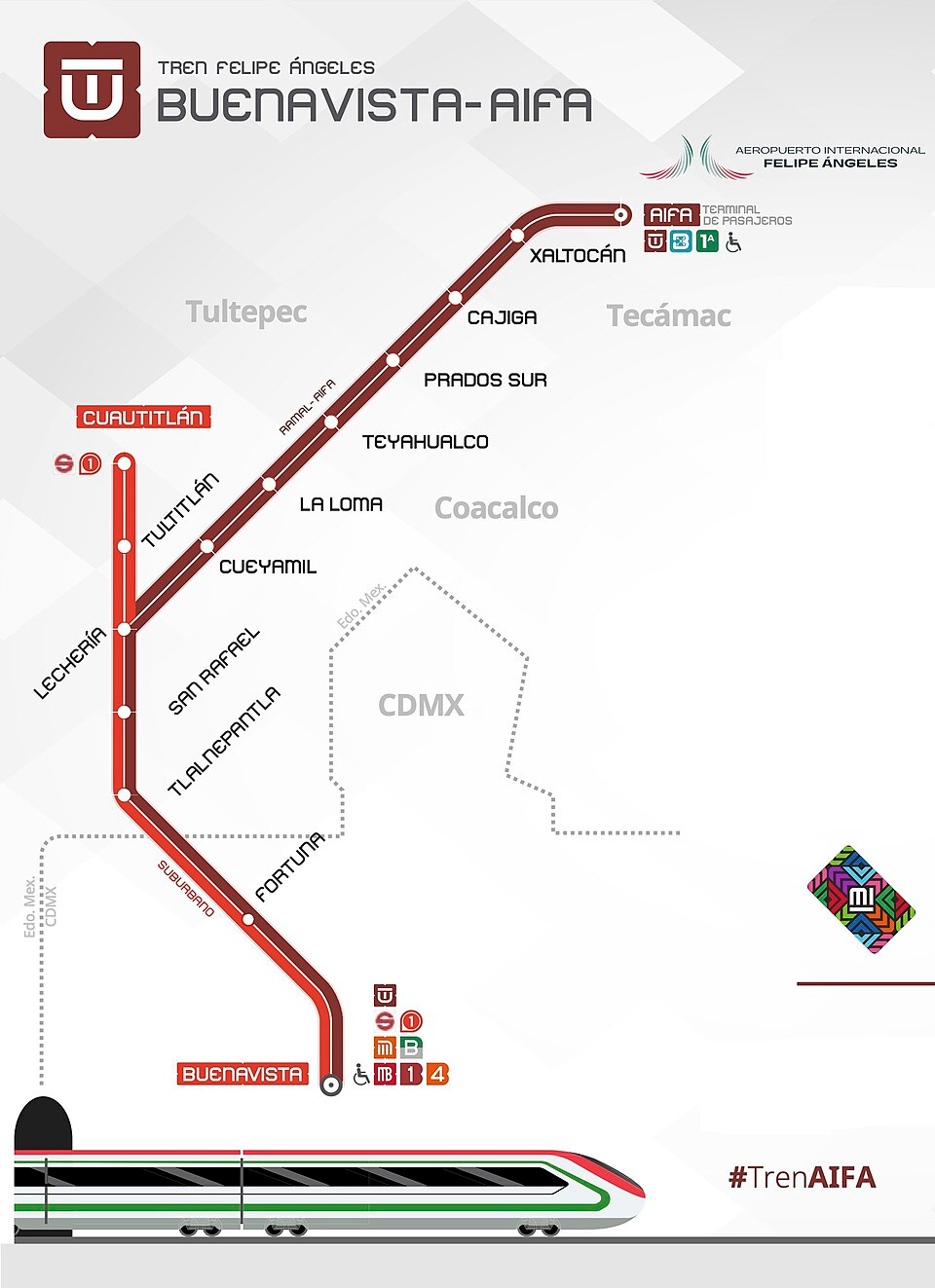
Viva la Cuarta Transformación! Mexico continues its impressive mobility infrastructure upgrades, with President Sheinbaum inaugurating a new rail line connecting CDMX’s tertiary airport with the city center. Further north, Monterrey began testing its new monorail line, as its expands its rail network to six lines.
Golden state, silver state, bronze wiring: Back on the metaphorical AV train… California has rolled out a number of updated regulations: the DMV has lifted a ban that kept autonomous trucks from operating on public roadways, while misbehaving robotaxis can now be ticketed and AV operators must respond to first-responders in 30 seconds or less. Meanwhile in Vegas, Zoox is testing the expansion of its operations to cover the airport, while the LVCVA is looking to dismantle the monorail and reuse the track to extend the Tesla-powered Vegas Loop (no more tunneling for The Boring Company, eh?)
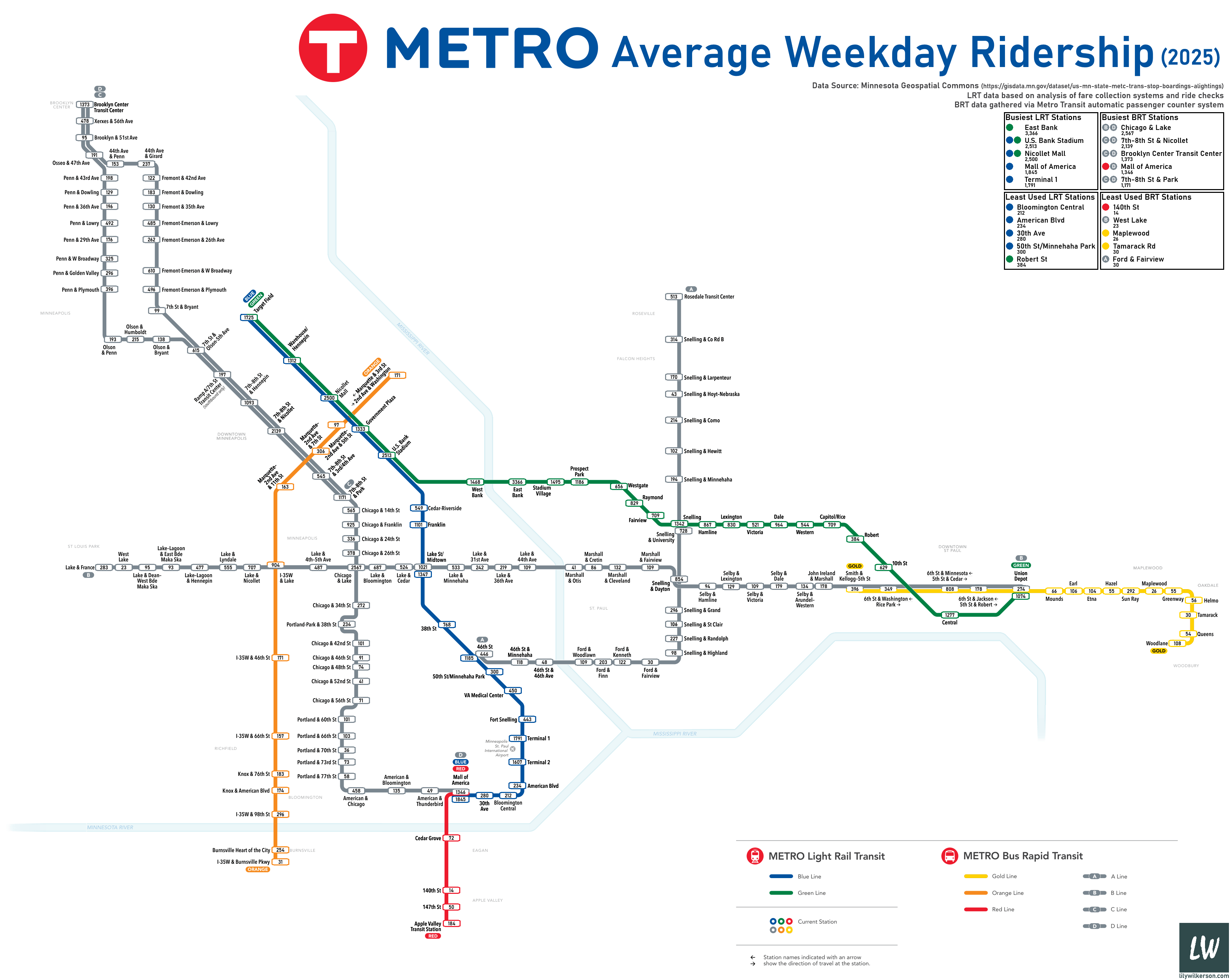
Minnesota, not so nice: MnDOT is “rethinking” Interstate 94, which connects the twin cities of Minneapolis and St. Paul. While many local advocates are now debating whether that should mean capping the highway with a few parks or removing it entirely in favor of an urban boulevard, others are proposing using the existing trench to host an eight mile heavy rail subway. On one hand, sounds lovely! On the other hand, the existing LRT network gets rather embarrassingly low ridership, especially when you consider it’s already anchored by the two downtowns. If you want to connect the two cores, why not use the existing tracks that are only a mile further north, and save the big bucks needed to extend rail service to denser neighborhoods on the SW side of town?
Ride the D: LA Metro will officially cut the ribbon on phase one of the D Line Extension on May 8th; see you there? While ridership projections are already strong, the agency has some clever activations in store, meant to drum up interest and awareness by the train’s new neighbors. Angelenos, head up to Wilshire Blvd for free salsa classes, local retailers, produce, coffee, art and Ethiopian food all the way through July.
A few good links: Amazon Q1 sees net sales jump 17%. U.S. and South Korea go to war over shopping giant Coupang. DoorDash-owned Wolt now one of the 10 largest grocers in Europe. Faraday Future keeps paying founder big bucks, despite setbacks. Rivian CEO gets new $400M+ pay package, after failing to hit previous “moonshot” pay goals. DoorDash and Lyft expand partnership to Canada. Delivery Hero GMV climbs 8.8% YoY. How transit agencies can recruit and retain great workers. Micro Enterprise Home Kitchens prove a hit in Riverside County. Vancouver’s SkyTrain gets delightfully wonky with explaining how they expanded old stations to allow for larger trains. Battery techer Redwood Materials cuts 10% of staff. MOIA and Beep partner on AV shuttles in Orlando. Curb management project kicks off in Madison, WI. After fourteen years, Staten Island BRT project still stuck in “under review” purgatory — two more years and it can get a driver’s permit! Fun with Claude Code: a live map of every NYC traffic camera. Funding cutbacks and equipment troubles imperil ridership growth on SoCal’s Metrolink regional rail network. California fights over Zone Zero fire regulations. Meet BemiGo, the latest oddball autonomous delivery vehicle from China. Rocsys raises $13M for autonomous charging. Jawohl! — BMW i Ventures raises new $300M fund. Rivian and Caruso strike deal to add Adventure Network charging to malls and apartments. Philly pushes ahead with loading zone and bike lane improvements despite lawsuits. Check out all the latest Chinese EVs we won’t be getting in the States. Brightline looks to restructure debt or face bankruptcy; this doesn’t bode well for its LA-Vegas train. Go behind the scenes at Avride’s delivery bot factory. Alphabet Q1 earnings re-confirms that Waymo is providing 500k+ autonomous rides per week. DoorDash launches business catering. CA extends Cap-and-Invest comments after Senate push.
See you next week; keep an eye out for how higher gas prices are impacting Uber, DoorDash and Lyft earnings!
- Jonah Bliss & The Curbivore Crew