


Thank you to everyone that joined us at yesterday’s Urban Autonomy Summit — Austin. The panel discussions were excellent, we’ll be releasing the recording shortly, and the social media chatter is still buzzing. We’re already planning our next event: San Francisco on January 27th. Reach out if you’d like to join!
An autonomous vehicle can have the greatest lidar and cameras in the world, but how does it “understand” what it’s looking at? Robotaxis and delivery bots alike need a source of ground truth that lets them comprehend the state of the world. Properly equipped, an AV can ideally enter a new space for the first time, and instead of having to figure it out the way a human would, it can pull up a rich history of how that location has looked over the years.
Building that knowledge is complicated, requiring constant scanning of real world locations. But what if folks had been unknowingly scanning their streets and cities all along? That’s the premise behind Niantic Spatial, borne out of the company that popularized the hit mobile Pokémon Go, which sent millions of people into their neighborhoods, smartphones in hand.
For the latest episode of The Courier, I caught up with Brian McClendon, Niantic Spatial’s CTO. Beyond visual positioning systems for bots and cars, Brian has an incredibly rich history across the geospatial industry, having previously spearheaded iconic efforts like Google Maps, Google Earth, Keyhole and SGI. Listen in for a fascinating conversation about the future of mapping and location intelligence!

HOT INDUSTRY NEWS & GOSSIP
Trade wars best trade-ins: Automakers and legislators are ratcheting up their efforts to key China’s low-cost, efficient automobiles at bay. The EU just passed a cap that limits hybrid imports to 350,000 vehicles per year. Chinese consumers seem to be fighting back in their own way, with in-China purchases of once-popular imports like Nissan seeing monthly sales plummet 52% YoY. The “problem” comes down to mix; worldwide, gas-only cars now account less than 50% of overall sales, and nobody specializes in hybrids and electrics quite like China does.
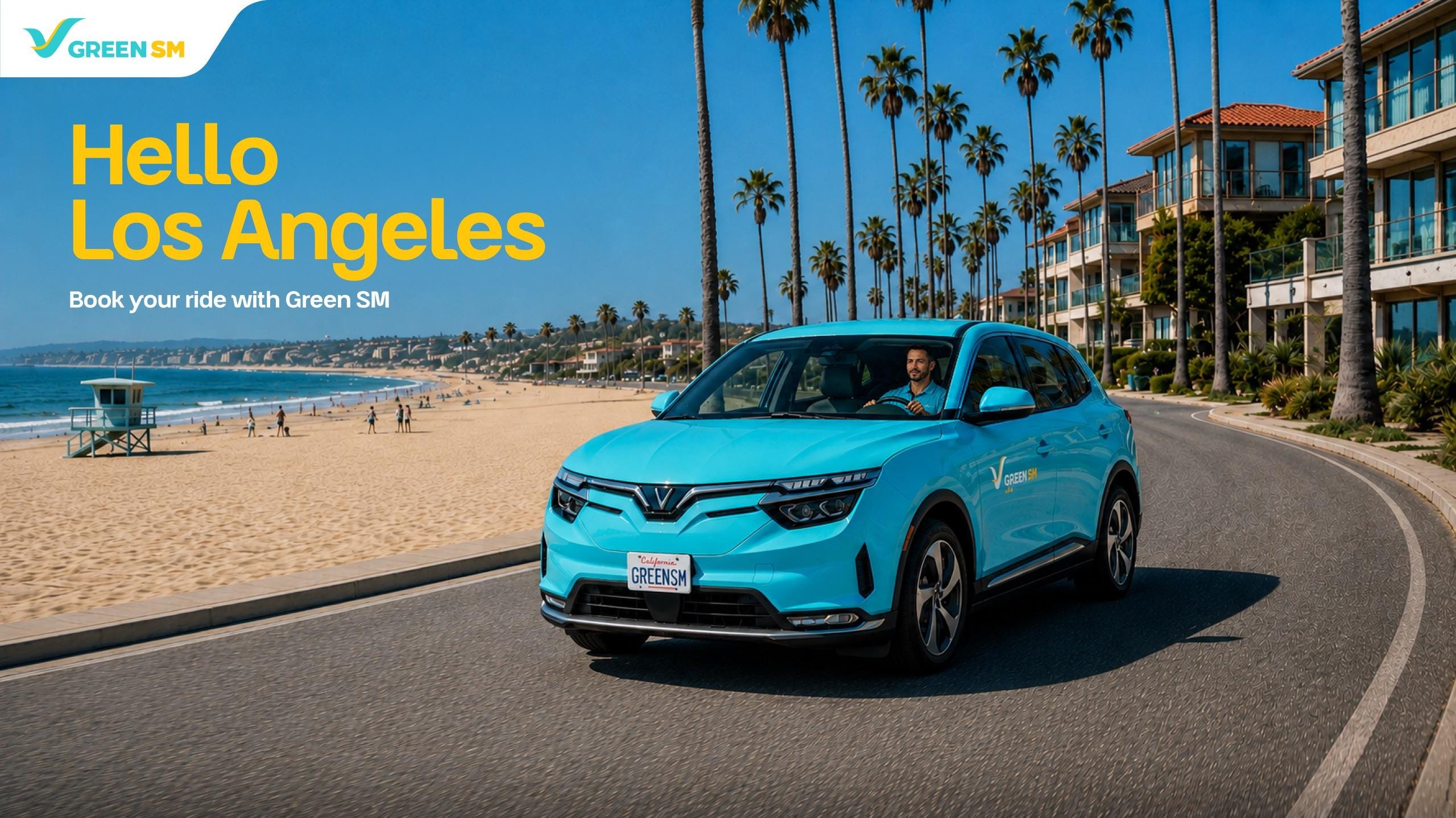
Finally, a chance to sit in a VF9! Vietnamese OEM VinFast’s push into the United States has been rocky, at best. With its electric SUVs struggling to sell to consumers, the company just launched a new ridehailing service: Green SM. Instead of using a gig-powered model like the major TNCs, VinFast will hire 500 drivers, equipping them with its fleet of vehicles. Customers get 50% off their first five trips - a good reminder of how much $$ it takes to get consumer traction in this space. VinFast is also partnering with ABC Companies to sell electric buses and shuttles.
Big blimpin’! MobilityVC-backed HyLight just raised €13 million to scale its autonomous, aerial inspection airships. Hydrogen provides the fuel, but not the buoyancy, allowing for longer-running operations than you’d get using a drone.
Which way, Bay Area voters? New polling shows that voters in the San Francisco Bay Area are split on support for a sales tax that would fund the region’s public transit: 48% are in favor, while 34% oppose and 18% are undecided. Regional agencies like BART have been particularly stung by the region’s high work-from-home tendencies, leaving to fare revenue shortfalls. Modeling suggests that if transit agencies have to cut service, traffic on the region’s highway and bridges will surge (which does make me think another solution would be to simply raise tolls…)
Speaking of transit funds… The federal government has been slow-walking FTA Capital Investment Grants, which generally fund 30% of major infrastructure projects. Since Feb. ‘25, only one project has received funds, with the average project delayed 15 months, driving up costs. Explore the impacted projects at The Transport Politic (and re-read my earlier interview with the site’s operator Yonah Freemark.)

Rides for the K-shaped economy: Lyft just unveiled a new dedicated brand, Alcove, exclusively focused on worldwide chauffeuring services. Building off its earlier purchase of TBR Global Chauffeuring, Alcove will focus on high-end and VIP travel. The new updated goes live in 2027.
More curbside charging! EVs are getting ever more places to refuel, with Seattle City Light and SDOT looking to add 200 new curbside charging ports by 2030. Seattleites are encouraged to request a new charger in their neighborhood, with funding coming from the city’s 2024 transportation levy.
What’s up with Flexcar? My likeminded carsharing OGs probably remember Flexcar, which helped popularize the format back in the 2000s, before merging with fellow traveler Zipcar. Well now the brand seems to be back: I’ve spied a big billboard for the service here in Los Angeles. While Avis recently folded Zipcar operations into its main biz, Flexcar — now focused on medium-term car subscriptions — seems to have been spun out to SRS Mobility Ventures. Anyone have more details to share?
Progress is never a straight line: LADOT continues to quietly lay down more bus and protected bike lanes, with work set to start on Westwood Boulevard. This commercial thoroughfare is anchored by light rail on the south, and UCLA (and eventually a subway station) to the north, making it a perfect candidate for multimodal improvements.

Modern Delivery, quick hits: Parallel Systems raises $100M for autonomous freight trains. Just Eat Takeaway.com launches new global brand campaign. Domino’s sales slow. Amazon and Walmart’s automation drive pushes hidden costs on merchants.
A few good links: NYCMTA launches environmental review for cross-Harlem extension of Second Ave subway. Los Angeles County nears opening of world’s largest wildlife crossing. Xona preps to launch GPS alternative. Sacramento reopens Green Line. Cool maps of how much transit is available within a five minute walk of major cities. Flock cuts staff amid public scrutiny. Despite headwinds, 2026 looks to be a record year for U.S. EV charger installations. America mega-project success story: Burbank opens new terminal in under three years, on budget. Blueprints AI claims to make permit-ready building plans in just minutes. Speed cams in Malibu find 100,000 violations in just nine days. Despite its reputation for car friendliness, Brussels sees road injuries fall to five-year low. After Uber’s abrupt Nigerian exit, Moove transfers thousands of vehicles to customers and drivers. Can the Pacific Surfliner survive rising tides? Electric bus orders surge across Europe. Waymo debuts updated Ojai vehicle. Can NYC bring down the cost of Citi Bike rides? Tesla to unveil long gestating new Roadster tonight.
See you next week!
- Jonah Bliss & The Curbivore Crew


